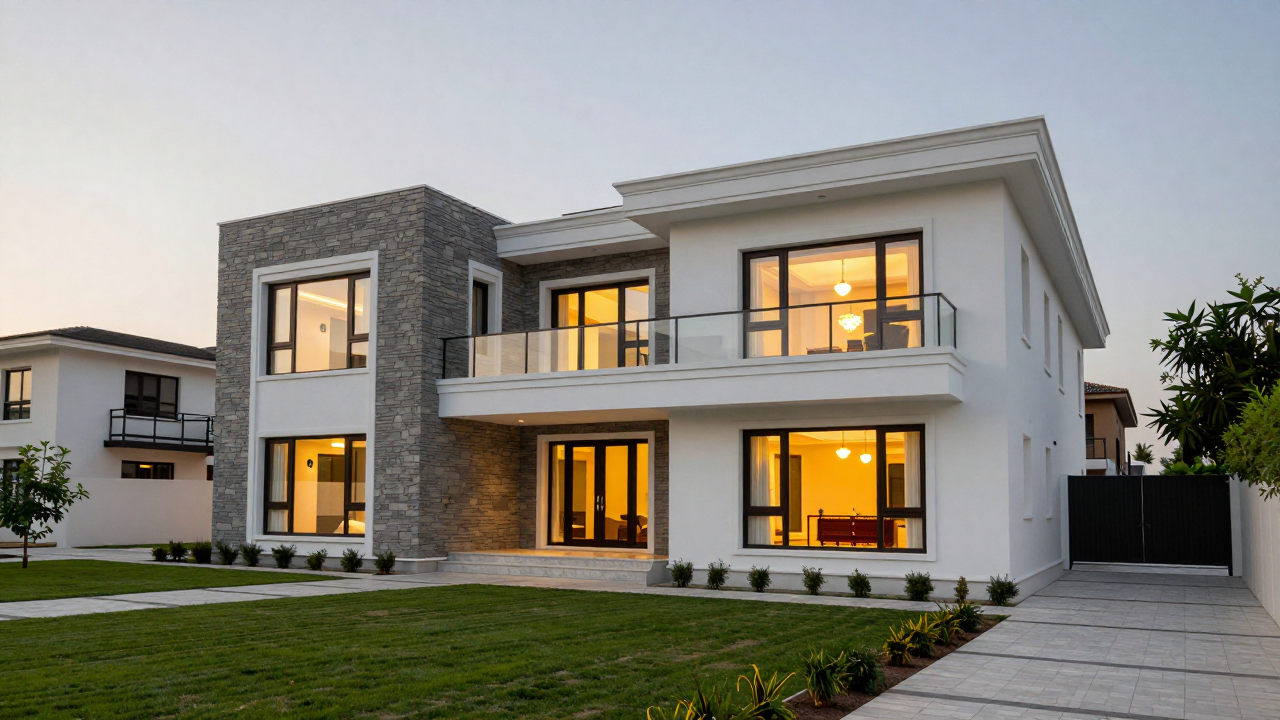
The Ultimate Step-by-Step Roadmap to Building a House in Pakistan
Building a house in Pakistan is more than just a construction project; it is a significant life milestone. Whether you are looking to build a modern villa in Islamabad, a contemporary apartment in Karachi, or a traditional home in Lahore, the process can be overwhelming. From navigating complex local laws to managing fluctuating material costs, every step requires careful planning.
To help you navigate this journey smoothly, we have compiled a comprehensive roadmap. This guide will take you from the initial idea to the day you move into your new home.
Step 1: Defining Your Vision and Budget
Before you break ground, you must have a clear vision. This involves deciding on the size of the house, the number of bedrooms, and the architectural style (e.g., Spanish, Modern, or Traditional).
Simultaneously, you must establish a realistic budget. In the current economic climate of Pakistan, construction costs can fluctuate rapidly. It is wise to create a buffer of 10-15% for unexpected expenses. Your budget should account for:
- Land acquisition costs
- Grey structure costs (foundation, walls, roof, plaster)
- Finishing costs (flooring, woodwork, painting, electrical, plumbing)
- Permit and legal fees
Step 2: Plot Selection and Legal Documentation
Once your budget is set, the next step is choosing the right location. Whether you are buying a plot in a private housing scheme or a government-allotted area, due diligence is non-negotiable.
Verifying Ownership
Ensure the seller has a clear title deed. Always verify the plot’s status with the relevant authorities (such as LDA, KDA, CDA, or private developers) to ensure there are no outstanding dues or legal disputes.
Obtaining NOCs and Approvals
Building a house in Pakistan requires legal permissions. You will need to apply for a No Objection Certificate (NOC) and approved building plans. These plans must adhere to the bylaws of the local authority regarding setbacks, height restrictions, and floor area ratios (FAR).
Step 3: Architectural Design and Engineering
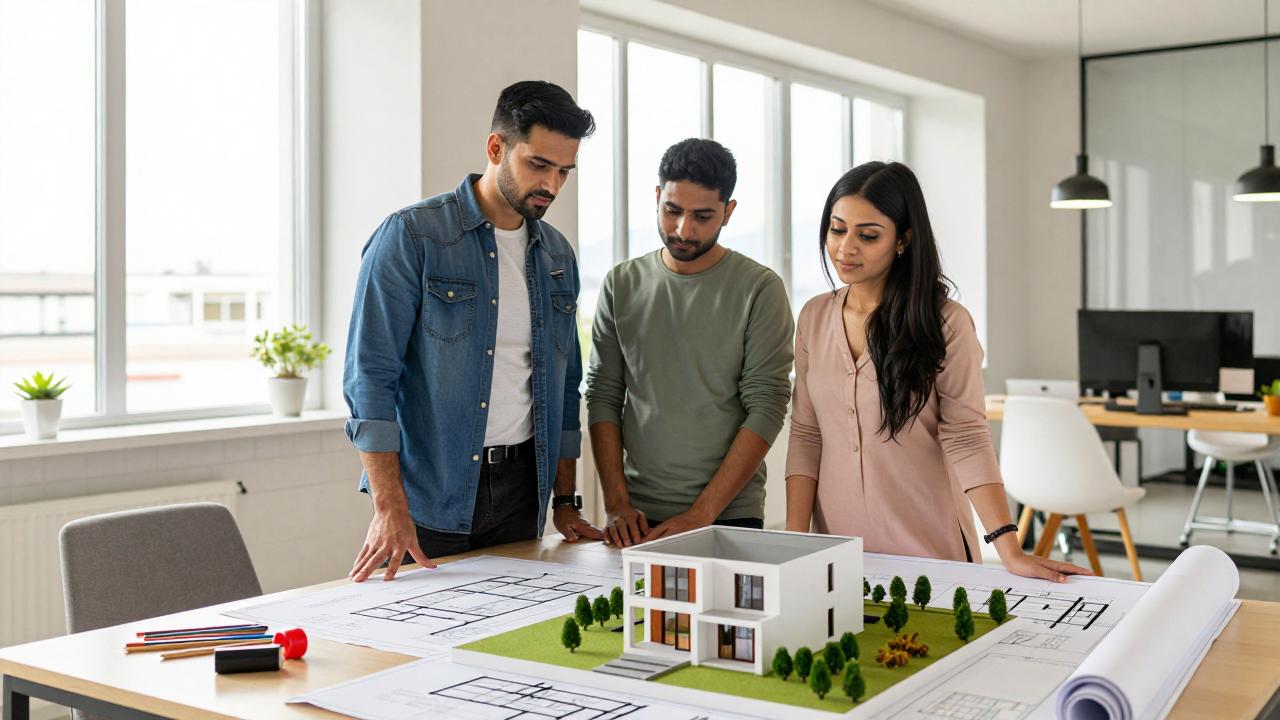
Do not skip the professional design phase. A good architect does more than just make the house look pretty; they ensure the space is functional and structurally sound.
- Architectural Plans: Includes 2D layouts, 3D elevations, and interior floor plans.
- Structural Engineering: Essential for ensuring the house can withstand seismic activity, which is crucial in regions like Northern Pakistan.
- MEP Drawings: Mechanical, Electrical, and Plumbing drawings are vital for the smooth functioning of the house.
Step 4: Hiring the Right Team
You have two main options when it comes to management:
- Contractor-Led: You hire a company that handles everything from labor to materials. This is often easier for those who don’t have time to supervise daily.
- Owner-Led: You hire a project manager or supervisor and purchase materials yourself. This gives you more control over quality but requires significant time and oversight.
When vetting a contractor, always check their previous portfolio, speak to past clients, and ensure they provide a clear, written contract with a payment schedule linked to construction milestones.
Step 5: The Grey Structure Phase
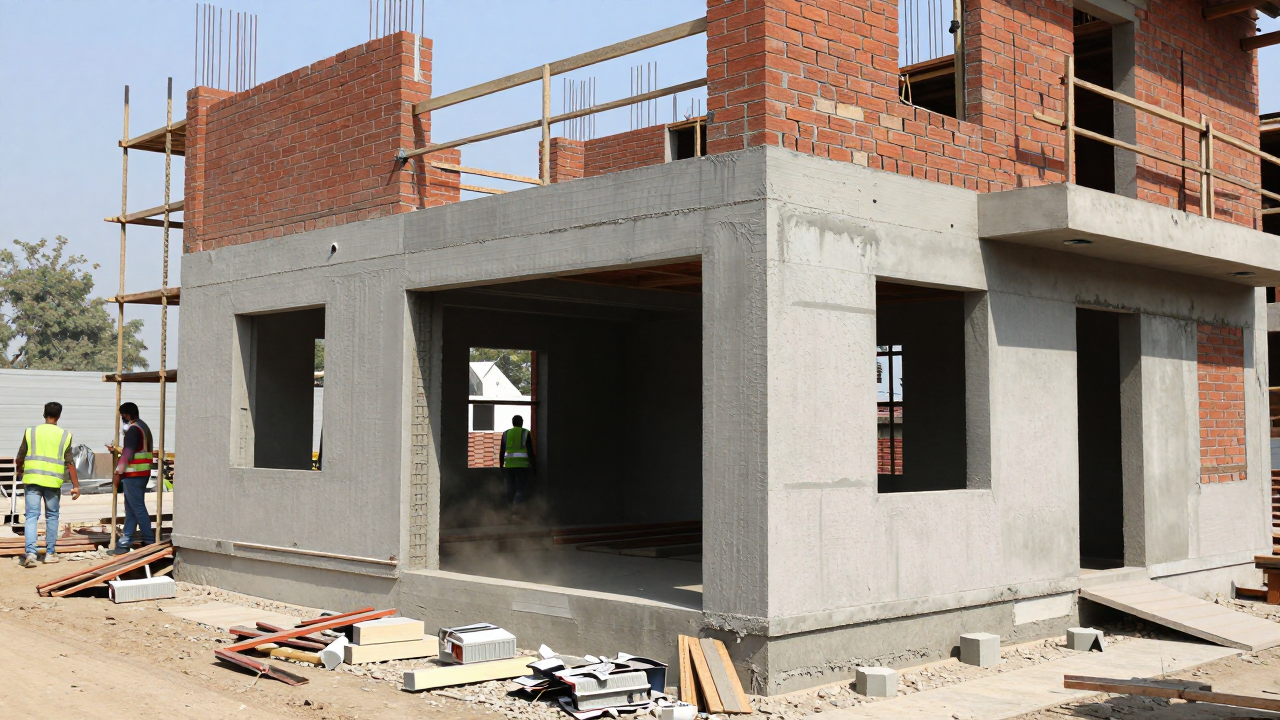
The grey structure is the skeleton of your home. It includes the foundation, plinth, walls, roof, and basic plumbing/electrical conduits. In Pakistan, this is often the most labor-intensive phase.
- Excavation and Foundation: Ensuring the soil is tested and the foundation is deep enough.
- Brickwork: Using high-quality bricks or blocks for the main structure.
- Roofing and Plaster: Applying the initial cement plaster to the exterior and interior walls.
Step 6: Finishing and Interior Work
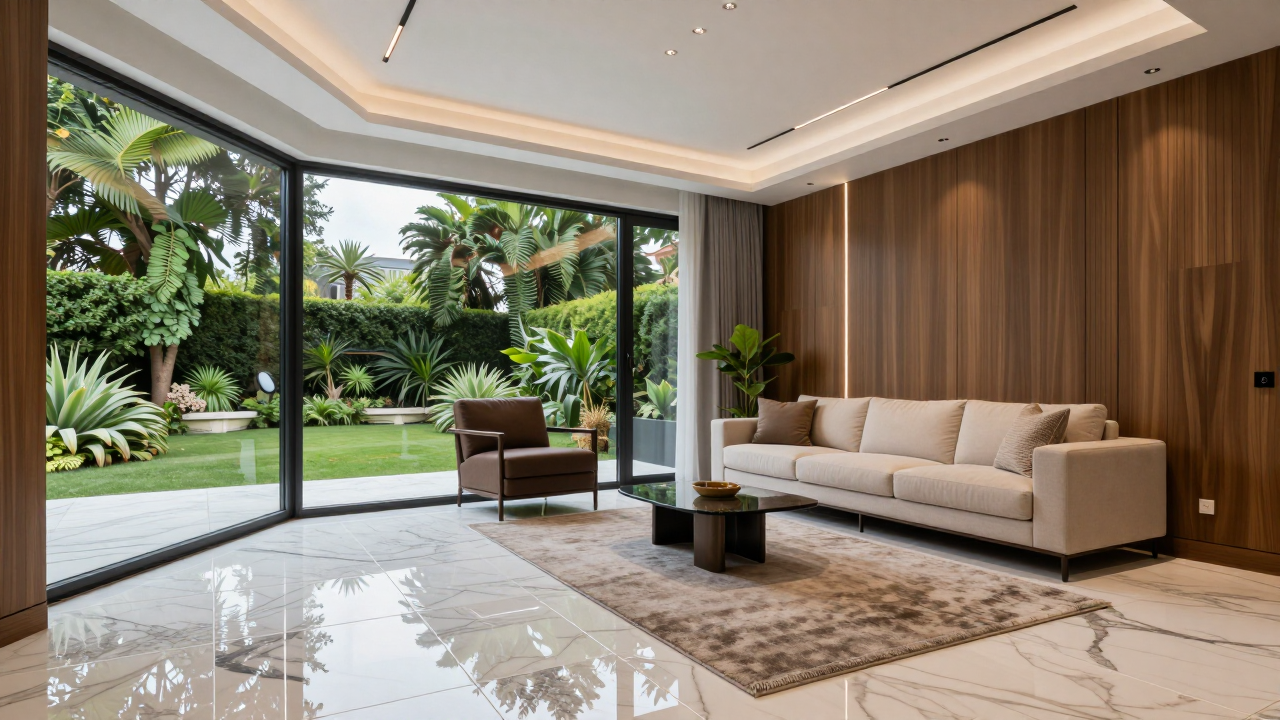
This is where your house starts to look like a home. The finishing phase is where the most aesthetic choices are made.
- Flooring: Choosing between porcelain tiles, marble, or wood.
- Woodwork: Designing kitchen cabinets, wardrobes, and main doors.
- Façade: Applying exterior textures, stone cladding, or paint.
- Electrical and Plumbing Fixtures: Installing switches, lights, sinks, and toilets.
Key Tips for Success
Building a house in Pakistan requires patience and attention to detail. Here are three quick tips to keep in mind:
- Quality over Price: Using substandard steel or cement can lead to structural failures later. Always prioritize certified materials.
- Supervision is Key: If you aren’t on-site daily, hire a trusted supervisor to ensure the contractor is following the approved designs.
- Weather Awareness: Plan your construction schedule around the seasons. For example, avoid heavy exterior plastering during the peak of the monsoon or extreme winter.
Conclusion
Building a house in Pakistan is a rewarding journey that requires a balance of vision, financial discipline, and technical oversight. By following this step-by-step roadmap—from initial budgeting and legal approvals to the final coat of paint—you can minimize risks and ensure that your dream home is built to last for generations.